From Gringo Buzzcut to Caribbean Fade: My First Chair on the Sidewalk
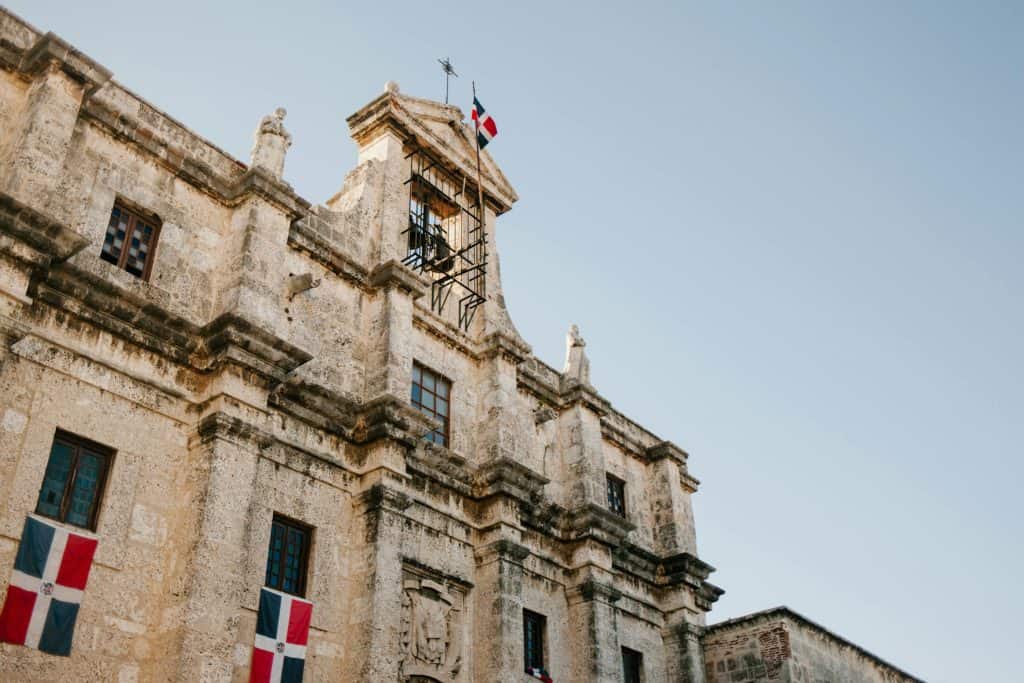
Ten years ago, freshly arrived from Portland with an embarrassingly crooked self-administered buzzcut, I wandered into Santo Domingo’s Zona Colonial looking for a real barber. What I found instead was a folding chair balanced on uneven pavement, two extension cords snaking toward the nearest colmado, and a guy named El Menor flicking his wrist like a DJ while the clipper hummed. He waved me over with all the confidence of a Michelin chef, tossed a cape around my shoulders, and asked, “¿Qué lo qué con tu flow, papo?” My survival Spanish covered food, rent, and flirting at merengue clubs, but barber shop Spanish? Nada. That afternoon became my crash course in how to learn Spanish where life actually happens: an open-air sidewalk, Bachata crackling from a busted speaker, and hair drifting down like coconut shavings.
The Pop-Up Barber Culture: Chairs, Clippers, and Colmados
Street-barber pop-ups—barberías de la acera—sprouted in the Dominican Republic long before hipster barber trucks appeared in Brooklyn. Chairs appear on corners after lunch; the city’s tropical breeze carries talc and chatter. Without rent or utility bills, cuts stay cheap, and conversation flows wider than the Ozama River. In one sitting you’ll hear a debate about whether Romeo Santos counts as Bachata or Pop, the latest Tigres del Licey baseball stats, and which lottery numbers are “calientes.” A perfect arena for any expat eager to learn Spanish as an expat beyond textbook dialogues.
Barbería de la acera vs. Barbería formal
Cultural purists might insist that a barbershop requires four walls and an air-conditioned waiting area. Yet the pop-up model reflects the Dominican knack for turning any public space into a social hub. When power outages hit, formal shops go dark, but street barbers just plug into the nearest inverter at the colmado and keep the fades sharp. The implicit rule: pay attention to cues—if the barber calls his clients pana or manito, you can relax your tongue, pepper your Spanish with local slang, and maybe even practice the infamous Dominican dropped s (“lo’ tigre” instead of “los tigres”). If he addresses you with usted, he’s signaling an older clientele or Colombian influence, so lean formal.
Talking the Cut: Vocabulary of Blades, Lines, and Beards
The jargon of Dominican barbershops overlaps with Colombia’s, yet certain words carry distinct regional spice. Requesting a “fade” will get nods in both places, but specify “fade bajito, bien pulido” in Santo Domingo and the barber knows you want that skin-tight baseball-player look. In Medellín he might confirm with “¿Con degradé en cero, parcero?” The first time I crossed terms—asking for “un degradé” in the DR—the barber paused, smirked, and quipped, “En Francia, quizás. Aquí se llama fade.” Moments like these sharpen not just your haircut but your linguistic agility.
Below, savor a handful of words that bounce between the Caribbean and Andean ranges.
Spanish Vocabulary
| Spanish | English | Usage Tip |
|---|---|---|
| El fade / el degrado | Fade haircut | “Fade” reigns in the DR; “degrado” or “degradé” surfaces in Colombia. |
| La máquina en cero | Clippers at zero guard | Add “por favor” if you want the skin fade extra tight. |
| El cerquillo | Hairline line-up | DR barbers pronounce it “seh-KEE-yo,” often paired with “bien recto.” |
| El jabón | Shaving foam | Dominicans sometimes swap for “crema,” Colombians say “espuma.” |
| El barbero / el peluquero | Barber | Both work, but “barbero” feels more streetwise in the DR. |
| La barba sombreadita | Light stubble trim | Ask this in Medellín to avoid a full shave. |
| Una recortadita | Little trim | Diminutives soften requests; ideal when you only need a touch-up. |
| El tinta | Hair dye | Slang in both countries; throw it in if you spot gray creeping in. |
Shaping Requests: Grammar Meets Swagger
Every barbershop exchange doubles as a micro-lesson in pragmatics—how politeness, assertiveness, and humor mesh. I’ve noticed expats over-correcting, launching into textbook formality—“¿Sería posible que usted me recortara los lados un poco más?”—while the barber, half-distracted by his phone, replies, “Bro, dime si quieres que te baje más, punto.” My rule of thumb: mirror his style. If he greets you with a fist bump, ditch the convoluted subjunctive. If he calls you “caballero,” adjust to a cordial tone.
The Money Moment: Paying Without Awkwardness
Cash still rules in both countries’ pop-up scenes, though QR wallets are creeping in. In Santo Domingo you’ll hear “Son doscientos, manito” or the faster “Dócien.” Colombians lean on “parcero, son diez mil.” Remember that tipping isn’t obligatory but warmly received; I slip a 50-peso coin or 2,000 Colombian pesos onto the armrest, nodding “pa’l refresco.” These tiny gestures engrave cultural trust and help you learn Spanish truths textbooks skip: generosity speaks louder than grammar accuracy.
Example Conversation: Ordering a Fresh Fade and Settling the Bill
Context: Sidewalk barber in Santo Domingo, afternoon heat, Bachata playing. An expat—yours truly—sits for a cut.
Barbero: ¿Qué vuelta, mi hermano? ¿Qué te hago hoy?
Barber: What’s up, my brother? What am I doing for you today?
James: Dame un fade bajito y el cerquillo bien recto, porfa.
James: Give me a low fade and a sharp line-up, please.
Barbero: ¿Quieres la máquina en cero o en medio?
Barber: Do you want the clippers at zero or half guard?
James: En cero, pero sin llevarme la coronilla.
James: Zero guard, but don’t take off the crown.
Barbero: Tá’ bien, manito. Voltéate pa’ ver la parte de atrás.
Barber: All right, bro. Turn so I can see the back.
James: Dale.
James: Go ahead.
(Ten minutes later, lining the beard.)
Barbero: Te sombreo la barba o la dejo naturalito?
Barber: Want me to shade your beard or leave it natural?
James: Sombrea, pero suave.
James: Shade it, but lightly.
(Cut finished.)
Barbero: Son doscientos cincuenta, mi llave.
Barber: That’s two hundred fifty, my key (Dominican slang for buddy).
James: Aquí ta’ la moña. Quédate con la vuelta.
James: Here’s the cash. Keep the change.
Barbero: ¡Gracias, papi! Cualquier cosa, tú sabes dónde estamos.
Barber: Thanks, man! Anything you need, you know where to find us.
James: Nos vemos en la próxima.
James: See you next time.
Notes: moña (DR) means wad of cash. Llave doubles as “key” and affectionate slang. Colombians would replace “mi llave” with “parce,” “hermano,” or the Medellín-exclusive **“ñero.”**
Crossing Over to Colombia: Same Clippers, Different Cadence
A one-hour flight drops me into Medellín’s Sabaneta neighborhood, where barbershops keep four walls but still spill energy onto the sidewalk. The chatter mixes reggaetón beats with football gossip—always Atlético Nacional versus DIM—and the Spanish dances at a cooler tempo. Instead of the Dominican “¿Qué lo qué?”, I’m greeted with “¿Quiubo, parcero?”. When I absent-mindedly reply “tranqui, manito,” the barber laughs, recognizing the island twang.
Colombian barbers crave precision vocabulary; they’ll ask whether you want “textura” on the top, if “el degradé baja hasta la navaja,” and whether to “marcar la línea.” The Dominican spontaneity—where a barber improvises mid-cut—gives way to Colombian managerial consultation, almost like ordering customized coffee. Jumping between these worlds forces my ear to toggle accents instantly, a dynamic exercise that helps me learn Spanish more flexibly than any app.
Payment Lingo: Plata vs. Cuarto
In Santo Domingo you fork over “cuarto,” “chelito,” or simply “la pámpara” (cash). Medellín runs on “plata,” “luquitas,” or “billete.” My wallet sometimes feels like a tiny linguistics lab: 1,000 Dominican pesos in one sleeve, 10,000 Colombian in the other, each note a boarding pass to new idioms. The act of paying anchors vocabulary, cementing phrases like “¿Tienes cambio de cien?” (DR) or “¿Me redondeas en mil?” (CO) far better than flashcards.
Barber Shop Wisdom: What Clippers Teach About Fluency
Beyond crisp edges, barberships sharpen cultural intuition. Sitting vulnerably under buzzing blades, you must decode rapid-fire jokes, baseball roasts, and political hot takes. Dominicans zigzag through topics—one second gossiping about the neighbor’s new Yamaha, next second philosophizing about migration. Colombians add a storytelling flair—teasing cliffhangers (“parcero, espere a que le cuente”) while the razor glides. Reacting in real time trains you to learn Spanish with adaptive intelligence, not just stored vocabulary.
I recommend leaning into errors. Once, I asked a Dominican barber to “rebajarme la colita,” accidentally invoking a rat tail rather than the nape line. He doubled over laughing and turned the mishap into a language lesson: “La colita es pa’ perritos, loco. Tú quieres la nuca.” That laughter sealed the correct word in my mind faster than conjugation drills ever could.
Reflecting on Bilingual Growth Between a Razor and a Road
Bouncing between Caribbean bravado and Andean calm, I’ve realized haircuts work like mini-study-abroad sessions. Fifteen minutes under a cape expose me to new idioms, altered intonation, and subtle social cues. The barbers become tutors who happen to hold clippers. To everyone striving to learn Spanish, I’d argue that grooming rituals outrank grammar apps: you get feedback, community, and a selfie-ready result. Alternate countries if you can; the mental gear-shift fine-tunes your ear quicker than any audio exercise.
So next time you spot a folding chair, a mirror taped to a telephone pole, and a flock of young dudes comparing sneakers, sit down. Hand your linguistic fate to the barber. Then report back: Which words surprised you? How did you pay? Did you hear slang that left you puzzled? Drop your stories and vocab in the comments below—let’s keep the chair spinning and the conversations buzzing.