
Un Despegue Personal: My First Drone Mishap over Santo Domingo
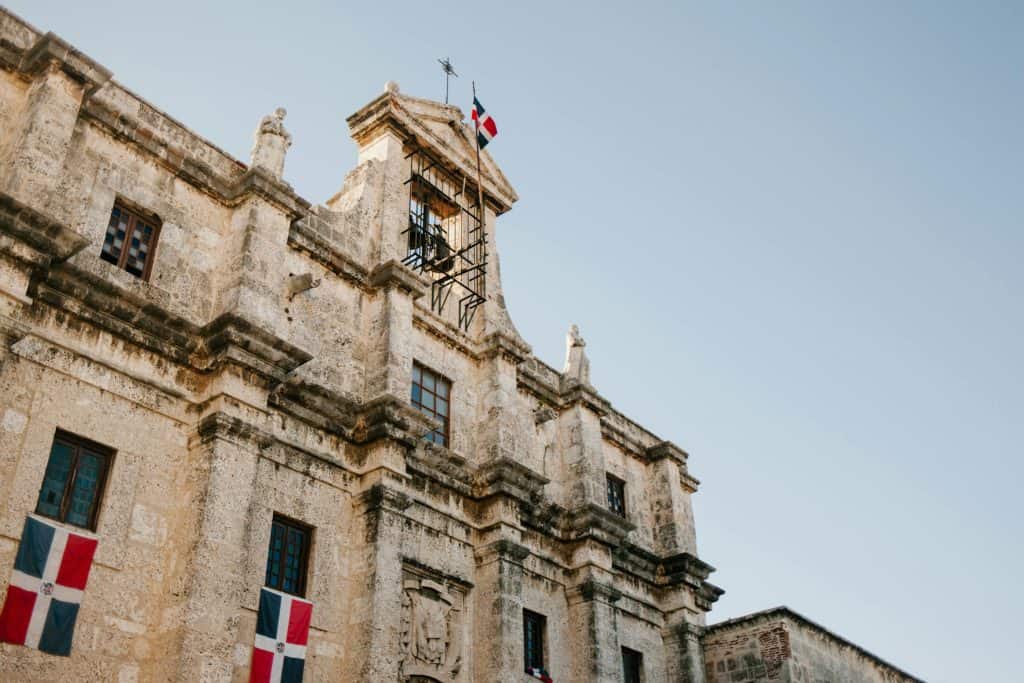
It was a sweaty Tuesday in July when my new drone and I took off from the Malecón, both of us blissfully unaware of Dominican aviation bureaucracy. Three minutes into filming, a polite but firm sergeant from the Fuerza Aérea tapped my shoulder. I tried my best survival Spanish—“¿Todo bien, jefe?”—but the conversation nosedived once he asked for my “permiso de operación.” That day became the catalyst for my obsession with how expats can learn Spanish that actually works in the wild, especially when your camera is hovering over presidential palaces. Ten years of living here has taught me that vocabulary alone won’t keep your drone—or your conversations—from crashing.
Navigating Dominican Airspace Law in Spanish
Dominican drone regulations are supervised by the Instituto Dominicano de Aviación Civil, affectionately abbreviated as IDAC and pronounced “EE-dak.” Understanding the rules is one thing; explaining your compliance in confident Spanish is another. When you file, the clerk hands you Formulario DCA-001, a four-page document sprinkled with legal phrasing and Caribbean idioms. Reading it forced me to learn Spanish beyond restaurant menus.
Paperwork: El Formulario DCA-001
Line 7 requests your “alcance operacional,” basically your maximum flight radius. Dominicans often shorten it to “el alcance.” If you reply, “Mi alcance será doscientos metros,” you’ll sound textbook. A more natural DR answer is: “Eso no pasa de par de cientos de metros.” Here, par de (“a couple of”) is a Dominican trademark; Colombians might say “unos doscientos metros.” Moments like these nudge you to learn Spanish as an expat rather than from an app.
Slang at the Counter
While the formality of the paperwork screams usted, the hallway chatter is pure Caribbean tú. A clerk may ask, “¿Tú vas a volar de noche? Eso es un lío.” In Colombia, you’d hear “un problema” instead of “un lío.” If you want to reassure him, say, “No, mi vuelo es de día, manito.” “Manito” is a DR contraction of “hermanito” and instantly softens the conversation. Swap it for “parcero” in Medellín, and you’re suddenly Colombian-friendly. Seamlessly navigating these shifts is why we tirelessly learn Spanish.
Crossing Caribbean Skies: Cultural Contrast with Colombia
Every January, I escape the holiday hangover by flying to Medellín, a city as allergic to humidity as Santo Domingo is addicted to it. Drone rules exist there too, but the tone is different. In the DR, bureaucracy feels like dominoes: loud, improvisational, good-humored. In Colombia, it’s more like a well-choreographed salsa routine—strict yet courteous. When I filed for a Colombian permit, the officer said, “Señor, nos envía el plan de vuelo con 48 horas de antelación, por favor.” That “por favor” was buttered with professionalism. Back home, the Dominican clerk playfully winked: “Eso lo resolvemos ahorita.” Same regulation, two cultural rhythms. Bouncing between them keeps my ear sharp and forces me to learn Spanish in stereophonic sound.
Grammar That Keeps Your Drone Out of Trouble
Verb tense can ground your drone. The subjunctive appears in nearly every sentence about permissions. Picture the phrase the IDAC officer told me: “Es necesario que presentes tu seguro.” He used the present subjunctive “presentes” because we’re dealing with a requirement, not a fact. In Colombia, a similar interaction went: “Es obligatorio que presente el recibo.” They used the usted form. Switching fluidly between these forms prevents awkward pauses that reveal you’re still trying to learn Spanish rather than living it.
Equally vital is mastering prepositions. “Volar sobre la Zona Colonial” (over) is legal only with an escort, whereas “volar en la Zona Colonial” could imply you’re taking off from inside a UNESCO site—big no-no. One tiny word, one giant fine.
Spanish Vocabulary for Skybound Expats
| Spanish | English | Usage Tip |
|---|---|---|
| permiso de operación | flight permit | Formal term used by IDAC and Aeronáutica Civil in Colombia |
| alcance operacional | operational range | Shorten to “alcance” in casual DR talk |
| lío | mess/trouble | Common in DR; swap for “problema” in Colombia |
| par de | a couple of | Dominican casual quantifier; never pluralize (“pares de” is wrong) |
| plan de vuelo | flight plan | Obligatory in Colombia for most drone operations |
| seguro contra terceros | third-party insurance | Colombia loves this phrase; DR sometimes says “seguro de responsabilidad” |
| despegar | to take off | Irregular verb; watch the stress: des-pe-GAR |
| manito | buddy/pal | Very Dominican; instantly informal |
| parcero | friend/mate | Signature Antioqueño term; skip it in Santo Domingo |
Example Conversation at the Airport Authority
Context: You’re in Santo Domingo’s IDAC office. The clerk is Dominican (tú), and an observing supervisor from Bogotá jumps in (usted). Note how vocabulary shifts.
—¿Tú eres el piloto?
—Are you the pilot?
—Sí, yo soy. Traigo mi dron y necesito un permiso para volar sobre el Malecón.
—Yes, I am. I’m bringing my drone and I need a permit to fly over the Malecón.
—¿Sobre el Malecón? **¡Eso es un lío, manito!** Dame tu plan de vuelo primero. (DR)
—Over the Malecón? That’s trouble, buddy! Give me your flight plan first.
—Aquí está. No pasaré de un par de cientos de metros de altura. (DR)
—Here it is. I won’t go over a couple hundred meters in altitude.
—Permítame revisar los seguros, por favor. (Colombia, formal)
—Allow me to review the insurance documents, please.
—Claro, señor. El seguro contra terceros está vigente hasta 2025. (Neutral)
—Sure, sir. The third-party insurance is valid until 2025.
—Entonces todo bien. Regresas mañana y te entrego la carta. (DR)
—Then all good. Come back tomorrow and I’ll hand you the letter.
—Muchísimas gracias, parcero… digo, ¡manito!
—Many thanks, mate—uh, buddy!
Final Reflections: Two Flags, One Language
Switching weekly between “manito” and “parcero” has become my favorite linguistic gym. The Dominican Republic teaches my Spanish to sing bachata, while Colombia drills it with Andean precision. My advice? Chase real interactions the way your drone chases sunsets. File a permit, haggle with a street vendor, flirt over coffee—whatever nudges you past comfort. The more settings your ear absorbs, the quicker you learn Spanish to native levels.
Remember that regulations, like grammar, exist to keep everyone safe, but culture supplies the flavor. Embrace both and you’ll glide through airspace—and conversations—without turbulence. I’d love to read about the phrases you’ve picked up shuttling between countries. Drop them in the comments—let’s keep helping each other learn Spanish we can actually use when the propellers start spinning.