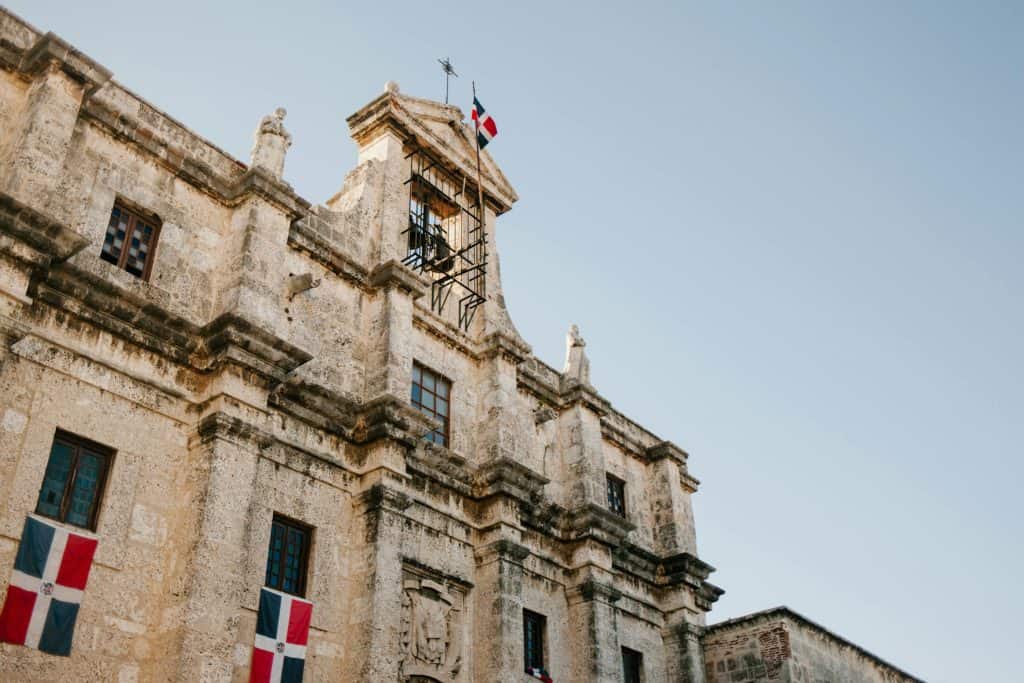
Two springs ago, I tucked a packet of ají dulce seeds into my carry-on, thinking customs in Bogotá would ignore such a humble souvenir from Santo Domingo. They didn’t. A grinning inspector waved the envelope in my face, curious why a gringo with a Dominican residency card cared about peppers that “no pican nada.” My Spanish was solid, yet in that sweaty moment I realized knowing the right words—semillas criollas, intercambio, fitosanidad—is different from merely asking ¿Cuánto cuesta? That brief detour at El Dorado airport became the seed (pun fully intended) for today’s deep dive into the Spanish Vocabulary you’ll actually need when you wander into Colombia’s ever-growing network of urban-garden clubs.
From Balcony Basil to Barrio Forests: Why Urban Gardens Matter
In the Dominican Republic, rooftop cilantro patches are mostly about flavor and saving a few pesos at the colmado. Cross the Caribbean to Colombia, and community gardeners often weave activism into the mix. Last July I strolled through Huerta La Perseverancia in Bogotá, where neighbors swap seeds to preserve native varieties and reclaim public space once surrendered to concrete. The Dominican vibe is more spontaneous—abuelas sprouting oregano in recycled paint buckets—while Colombians may draft a spreadsheet cataloging each lote de semillas. Understanding that cultural nuance shapes the Spanish Vocabulary you deploy. Call those Dominican makeshift beds “canastitas”; in Medellín the same containers become “materas”. Same basil, different barrio, and knowing both terms instantly brands you as more than another passing expat.
A Taste of Terminology in Context
Picture an evening in Santo Domingo’s Gazcue district. My neighbor Don Rafael lifts a rusty coffee tin and says:
“James, echa un poco de agua en esta canastita pa’ que no se me achicharre la albahaca.”
“James, pour a bit of water in this little basket so my basil doesn’t shrivel.”
Hop over to Cali and a volunteer might comment:
“Ojo con esa matera, parce, que el cilantro necesita más sombra.”
“Watch that planter, buddy, the cilantro needs more shade.”
Notice the islander’s clipped rhythm versus the Colombian parce camaraderie. Internalize both and you’re halfway to real bilingual swagger.
Seed Exchange Scenes: Cultural Observations
Colombian clubs often schedule formal intercambios de semillas every month. They lay out tables, label envelopes with Latin names, and debate whether tomate chonto has better germination rates at 2,500 meters. In the DR, you’ll probably swap seeds over dominoes and rum while arguing about baseball prospects. The same transaction calls for different registers of Spanish. During a polished Bogotá gathering you might hear:
“¿Quién certifica la procedencia de estas semillas de maíz capio?”
“Who certifies the provenance of these capio corn seeds?”
Meanwhile, in Santo Domingo a friend shrugs:
“Eso crece to’ igual, mi hermano—pónlo en tierra y ya.”
“That grows just the same, bro—stick it in the ground and that’s it.”
Catching the rhythm, the formal pronouns, and the island contractions will push your Spanish Vocabulary beyond the classroom and straight into dirt-under-the-nails reality.
Seeds, Soil, and Subjunctive: Spanish Vocabulary That Sprouts Connections
Below is a compact table of Spanish Vocabulary you’ll encounter at any seed swap between Cartagena and Cabarete. Roll these words on your tongue, then fertilize them with conversation.
| Spanish | English | Usage Tip |
|---|---|---|
| Intercambio de semillas | Seed exchange | Often shortened to “intercambio” in Colombia; in the DR people sometimes just say “trueque”. |
| Semillas criollas | Heirloom seeds | In both countries signals non-GMO pride; say it with passion. |
| Fitosanidad | Plant health regulations | Drops nicely in official settings like airport inspections. |
| Almácigo | Seedling tray / nursery bed | Common in Colombia; Dominicans might opt for “semillero”. |
| Tierra abonada | Fertilized soil | Useful when comparing compost quality across borders. |
| Aceitosa | Seed coat slickness | Field slang in Colombia, rarely heard in the DR. |
| Machete de podar | Pruning machete | Dominicans love the plain “machete”; Colombians may specify “de podar”. |
| Brote | Sprout/shoot | Beware false friend “brotar” meaning “to sprout,” not “to broach.” |
| Riego por goteo | Drip irrigation | Conversation gold when discussing sustainability grants. |
Repeat these phrases aloud, mixing in region-specific spice: emphasize the rolling r in riego like a costeño wind, or drop the s in almácigo the way many Dominicans soften consonants.
Grammar in the Garden
Garden chatter nurtures your subjunctive. Colombians love conditional phrasing: “Si sembráramos más quínua, mejoraríamos el suelo.” Dominicans lean future-heavy: “Cuando germine ese ají, vas a ver.” Note how different melodies still fertilize mutual understanding. Embedding grammar in dirt and daylight beats drilling flashcards alone.
Example Conversation: Trading Tomato Seeds in Medellín
Context: A Sunday morning at Huerta El Bosque. I approach Carolina, a local agronomy student, to swap seeds. You’ll see how Dominican and Colombian lingo mingle. Spanish lines appear first, followed by English translations. I sprinkle **bold** regional slang so you can hear it pop.
James: Hola, ¿me podrías mostrar las semillas de tomate chonto que trajiste? (Colombia)
Hi, could you show me the chonto tomato seeds you brought?
Carolina: Claro. Estas vienen directo de Boyacá y son full orgánicas. (Colombia)
Sure. These come straight from Boyacá and are totally organic.
James: Se ven nítidas. En Santo Domingo las sembré pero el calor es un **fuego**. (DR)
They look great. In Santo Domingo I planted them but the heat is crazy.
Carolina: Acá el clima ayuda. ¿Trajiste algo para intercambiar? (Universal Spanish)
Here the climate helps. Did you bring something to exchange?
James: Sí, tengo ají dulce. Son la grasa, no pican pero dan sabor. (DR slang)
Yes, I have ají dulce. They’re awesome, they don’t burn but add flavor.
Carolina: ¡Uf, de una! He querido probar ese ají. (Colombia)
Great, right away! I’ve wanted to try that pepper.
James: Entonces hacemos el trueque: veinte semillas por veinte. (Universal)
Then let’s trade: twenty seeds for twenty.
Carolina: Trato hecho. Déjame anotar la variedad en el registro. (Colombia formal)
Deal done. Let me jot the variety in the logbook.
James: Dale, que se quede constancia pa’ que después no digan que yo mangoneé. (DR slang)
Cool, let the record show so nobody says I swindled you later.
Carolina: Jaja, tranquilo, todo bien. (Colombia)
Haha, relax, all good.
Reflection: Let Your Spanish Blossom Across Borders
For a decade I’ve ping-ponged between Caribbean breeziness and Andean diligence. Each border crossing sharpens my ear the way pruning shears force roses to grow stronger. In the DR, you learn to drop consonants for flow; in Colombia, you practice crisp articulation and soak up the melodic voceo paisa. Let gardens be your classroom. Ask an abuela in Santiago de los Caballeros why her orégano brujo thrives; chat with a Barranquilla teenager about her vertical lettuce wall. Every handful of soil hides a new idiom, an unexpected verb tense, a secret handshake that no textbook reveals.
The Spanish Vocabulary you sow today will sprout stories, friendships, maybe even a customs interrogation worth blogging about. So slip a few seeds into your passport sleeve, strike up conversations on both coasts, and watch your language—and your cilantro—grow wilder than you planned. Drop a comment below with the cross-country expressions or plant jargon you’ve picked up, and let’s keep cultivating our bilingual plots together.
¡Nos leemos en la próxima cosecha!
—James